

The United States may soon require millions of foreign visitors to undergo an expansive review of their online lives, reshaping how travelers are screened at the border.
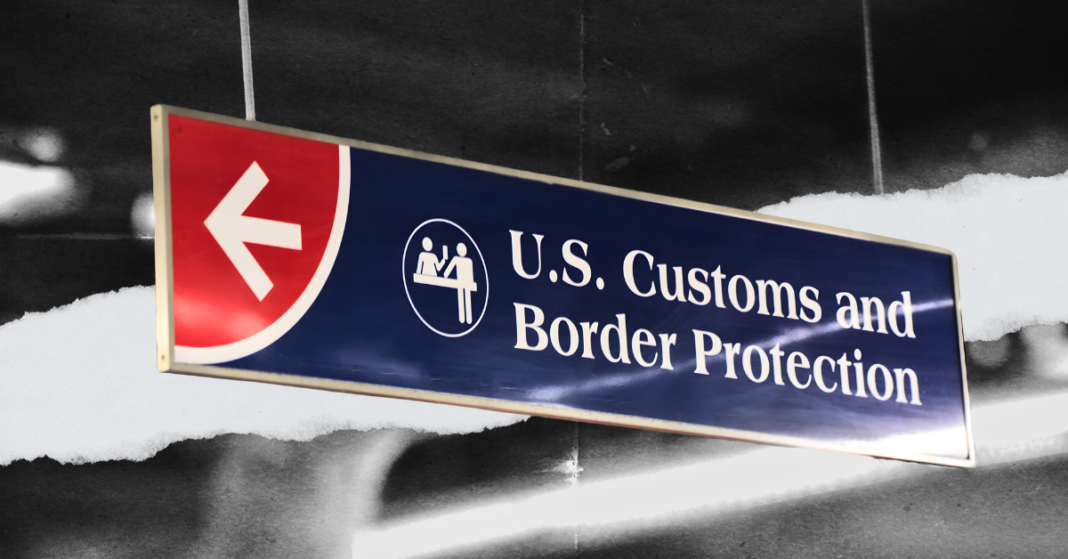
According to The New York Times, U.S. Customs and Border Protection (C.B.P.) has filed a proposal to examine up to five years of social media history for travelers from visa waiver countries including the United Kingdom, Australia, Japan, and Germany.
A Major Expansion of Data Collection
The proposal, published in the Federal Register, would significantly broaden the scope of information required from applicants to the Electronic System for Travel Authorization. In addition to social media identifiers, the government plans to request email addresses from the last decade, along with detailed personal information about parents, spouses, siblings, and children.
C.B.P. also said it will collect applicants’ telephone numbers from the past five years and described these fields as “high value data.”
Under current rules, applicants pay $40 and provide basic contact details; the authorization lasts for two years. According to CNBC, the new social media review would become a “mandatory data element” for ESTA, signaling a shift from optional or selective screening to a universal requirement.
Applicants would also be required to upload “selfies,” a new requirement that C.B.P. says will help confirm whether applicants are the rightful holders of the documents used in the ESTA process.
C.B.P.’s expanded screening mirrors a broader government trend of scrutinizing social media for other visa categories, such as H-1B workers, students and scholars.
How This Could Shape Tourism
Travel industry groups were not briefed on the new plan, according to an official who spoke anonymously to The New York Times. He described the policy as “a significant escalation in traveler vetting.”
C.B.P. will accept 60 days of public comments before any changes could take effect.
If approved, the immigration law firm Fragomen warned that the rollout may lead to longer authorization wait times and “an increased likelihood of being flagged for closer scrutiny.”
Bo Cooper, a partner at Fragomen, called the shift a “paradigm shift,” noting that authorities would now be “looking at online speech, and then denying travel based on discretion and policy about the kinds of things that get said,” adding, “It’ll be interesting to watch the tourism numbers.”
Context Behind the Policy Expansion
CNBC noted that the proposal comes amid a broader escalation of travel restrictions under the Trump administration, following an incident in which a man from Afghanistan was accused of shooting two National Guard members near the White House.
The administration has since expanded its travel ban to more than 30 countries, building on limits announced earlier in the year.
Homeland Security Secretary Kristi Noem defended the restrictions, saying countries without “stable government” or the ability to support vetting pose risks, asking, “Why should we allow people from that country to come here to the United States?”