


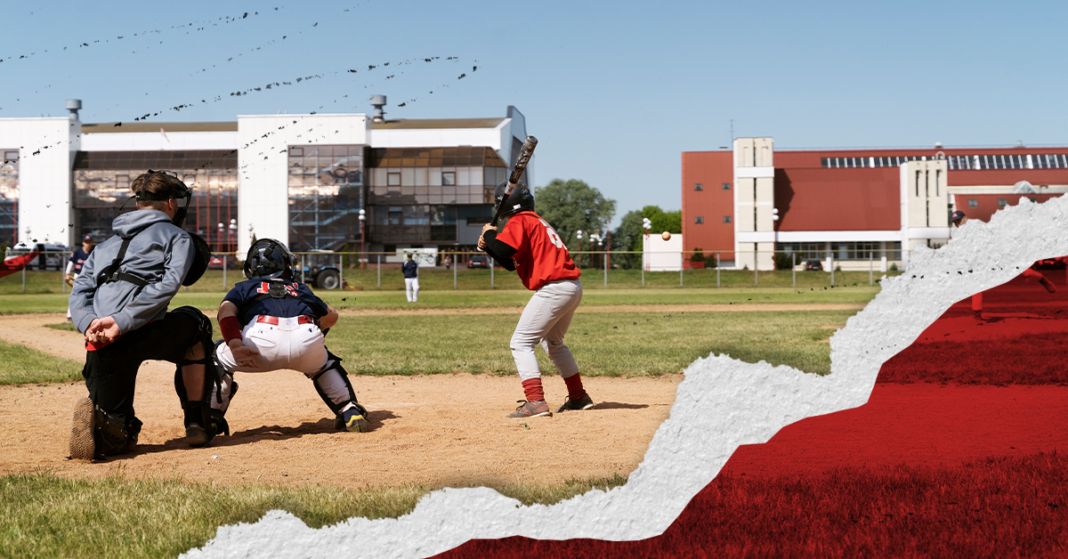
Once district play wraps up, the UIL baseball postseason begins, and the structure shifts quickly. Series replace single games, neutral sites become more common, and teams face opponents they may not have seen all season.
Here’s how Texas high school baseball playoffs work, from qualification through the state championship.
Who Qualifies for the UIL Baseball Playoffs
At the end of district play, the top four teams from each district advance to the UIL baseball postseason. Qualification is determined strictly by district standings, not overall record or non-district results.
Once playoff teams are finalized, districts are paired together to form first-round matchups. From that point on, teams must win to continue. There are no at-large bids or second chances.
How the Baseball Playoff Bracket Is Structured
The UIL baseball postseason is organized into progressive rounds that gradually narrow the field:
- Bi-District Round
- Area Round
- Regional Quarterfinals
- Regional Semifinals
- Regional Finals
- State Semifinals
- State Championship
As teams advance, the competition intensifies and travel distances often increase, particularly in later rounds.
Why Baseball Playoffs Are Played as Series
Unlike sports such as football and basketball, UIL baseball playoffs are typically played in series formats, often best-of-three.
This approach emphasizes:
- Pitching depth
- Consistency across multiple games
- Strategic decision-making by coaching staffs
Series play reduces the impact of a single off day and rewards teams that can perform over the course of several games rather than relying on one standout performance.
How Matchups and Home Sites Are Decided
Early-round playoff matchups are shaped by district pairings established by UIL. In many cases, participating schools work together to determine game sites and scheduling details.
As teams advance deeper into the postseason, neutral sites become more common. These locations help balance travel demands and accommodate larger crowds as the stakes rise.
Once a series begins, there are no reseedings. Teams must advance through the bracket path assigned to them.
Division I and Division II in Baseball Playoffs
Similar to other UIL sports, baseball uses a Division I and Division II split within each classification. Schools are separated by enrollment size, allowing each classification to produce two state champions.
The split is designed to keep postseason matchups competitive and ensure that schools are facing opponents with comparable resources and roster depth deeper into the playoffs.
When the UIL Baseball Postseason Takes Place
The UIL baseball postseason typically begins shortly after district play concludes in the spring and runs through late May or early June, depending on classification and division.
As teams advance, the schedule becomes more condensed, often requiring multiple games in a short window. Managing pitching rotations, rest, and travel becomes a critical part of any deep playoff run.
Why the UIL Baseball Postseason Feels Different
Because of its series format and extended timeline, the UIL baseball postseason places a premium on endurance and adaptability. Teams must manage pitching staffs carefully, respond to in-series adjustments, and maintain consistency over several weeks.
It’s a postseason built not just on talent, but on preparation and depth.
How to Follow the UIL Baseball Playoffs
- District standings determine who qualifies
- Most playoff rounds are played as series
- Division I and Division II brackets run separately
- Neutral sites become more common in later rounds
- State championships conclude the season